
Educating, promoting, and supporting the delivery of Certified Passivhaus buildings in Australia
International
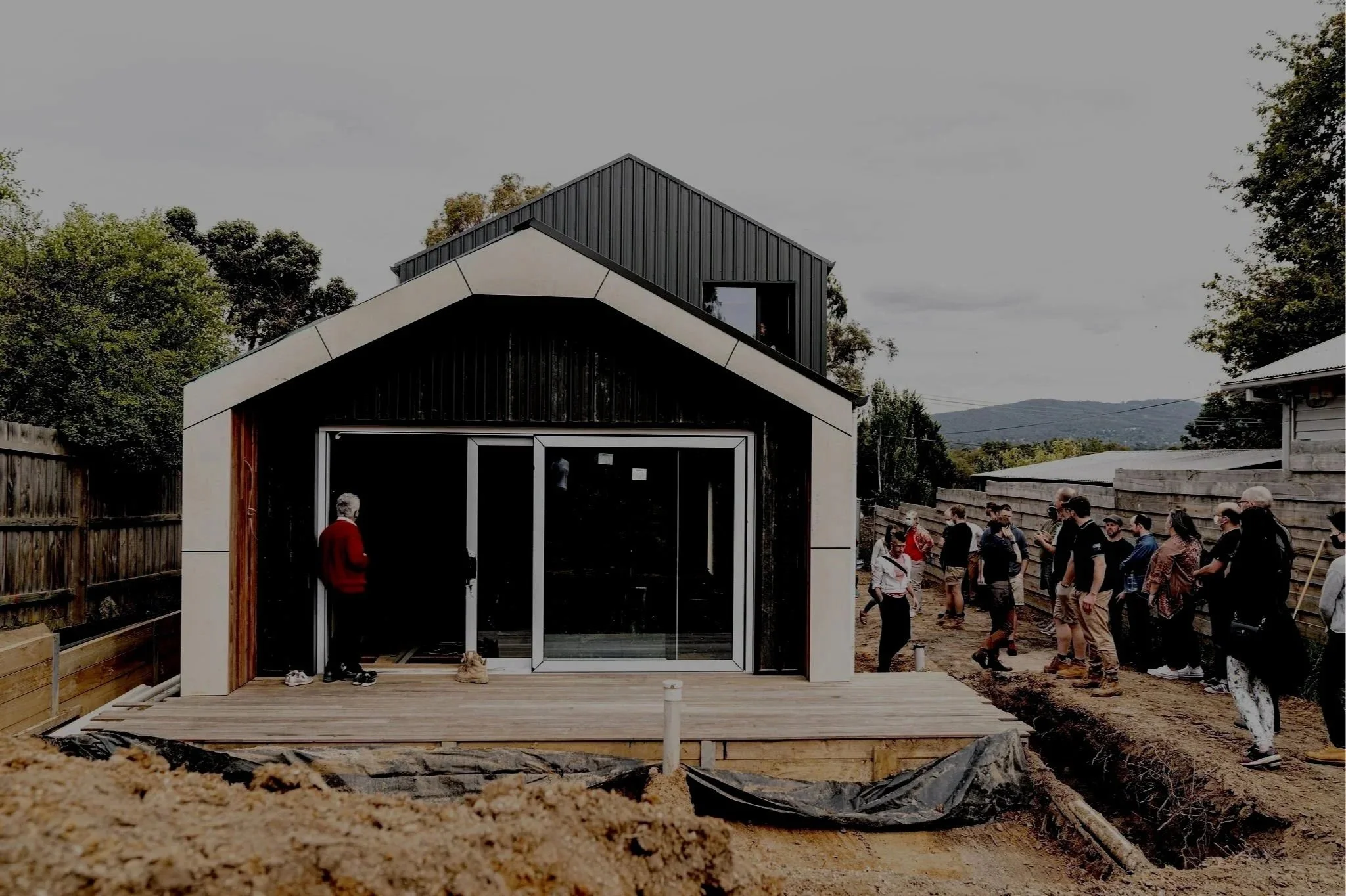
Passivhaus Open Days
40+ completed & under-construction Passivhaus projects · 7 states & territories · 95+ free guided sessions
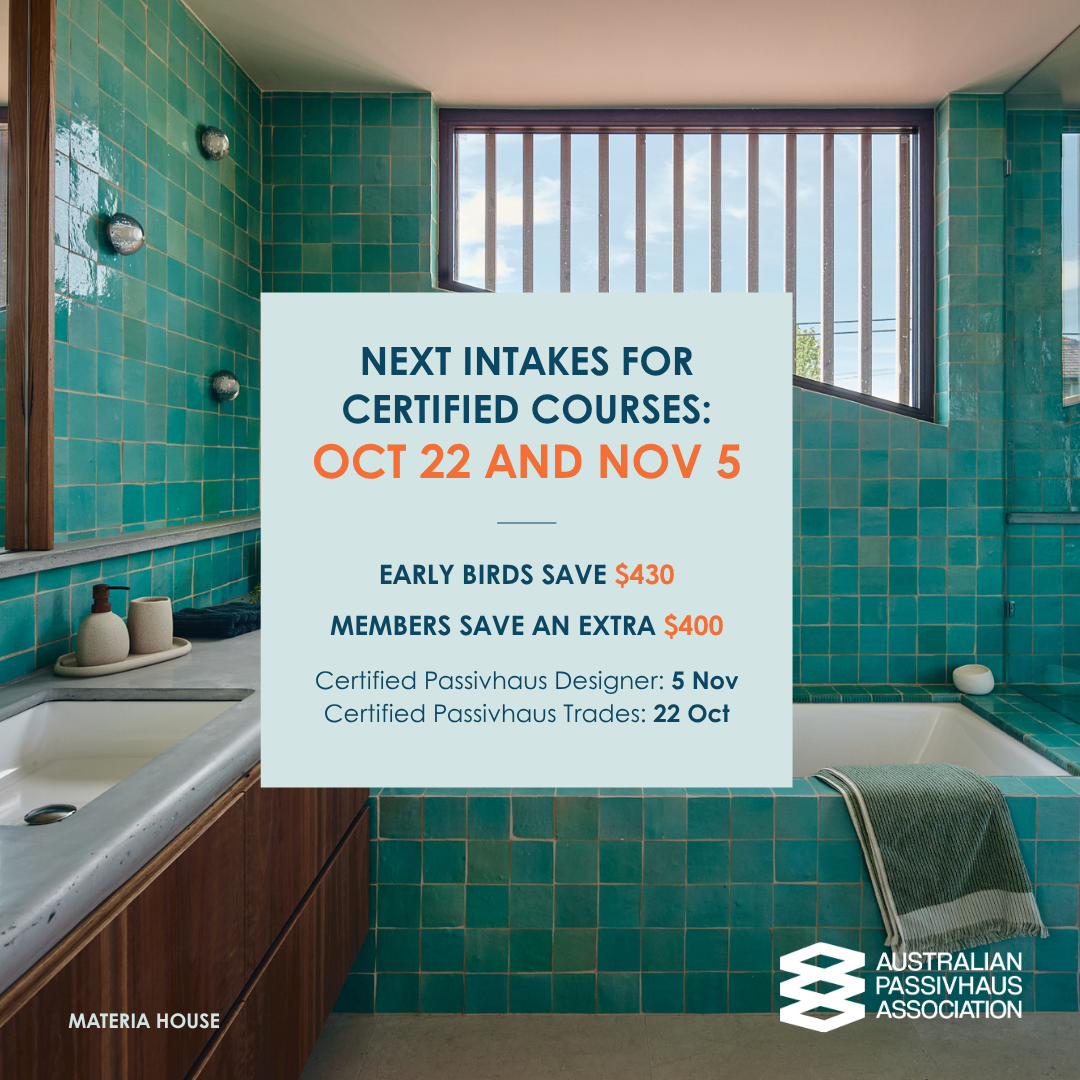
Become a Certified Passivhaus Tradesperson or Designer
This qualification is a pathway to a high-level specialist career, with high-performance buildings increasing in demand.
Passivhaus Project Register




Read our latest news

Participants now leave the program ready to make changes to policy with Passivhaus knowledge and APA’s continued support.
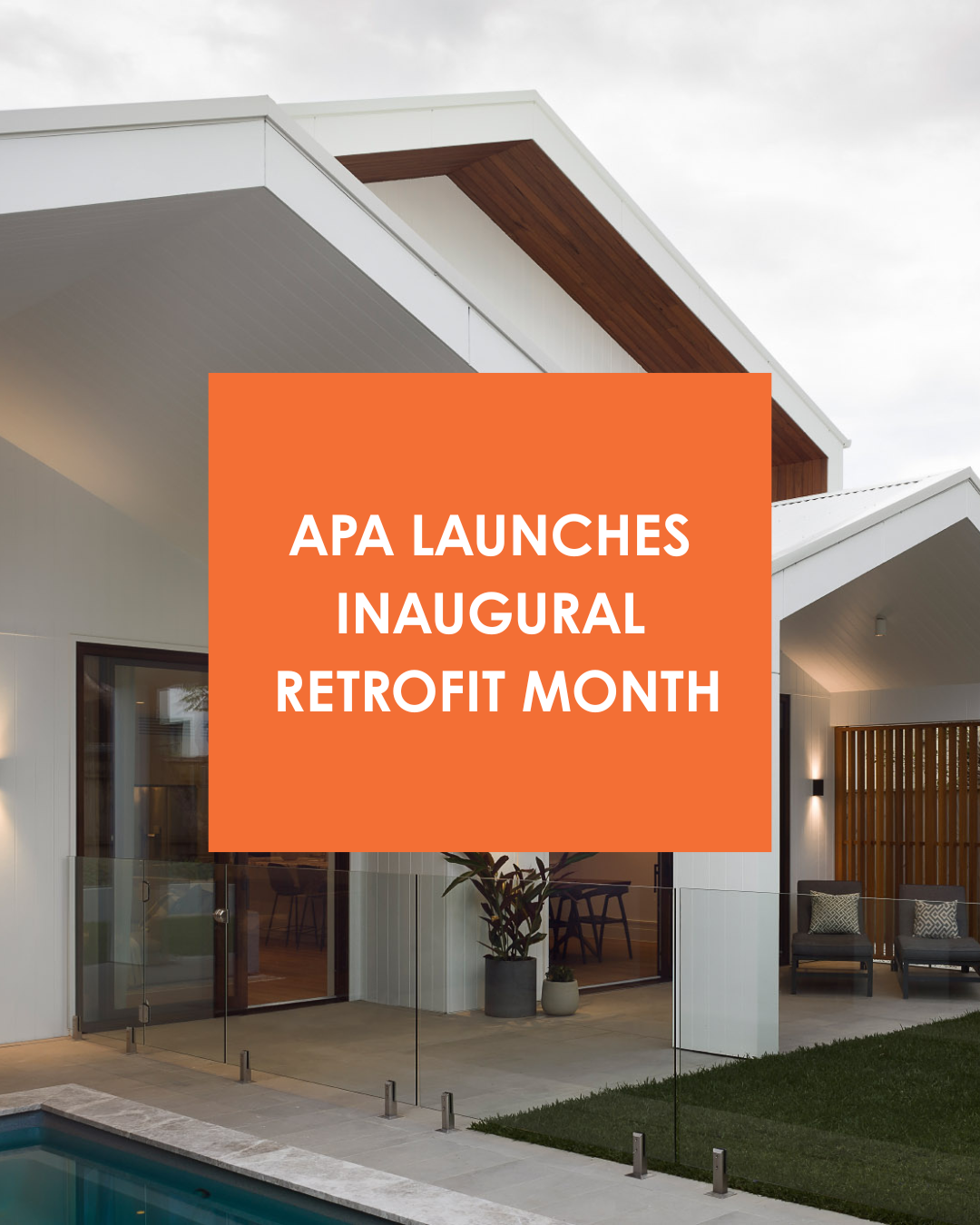
The Inaugural RetroPHit month includes site tours across the country, in-person meetings and a national webinar

In collaboration with First Question Society, we are taking a small but meaningful step to carry Jeff’s vision forward.
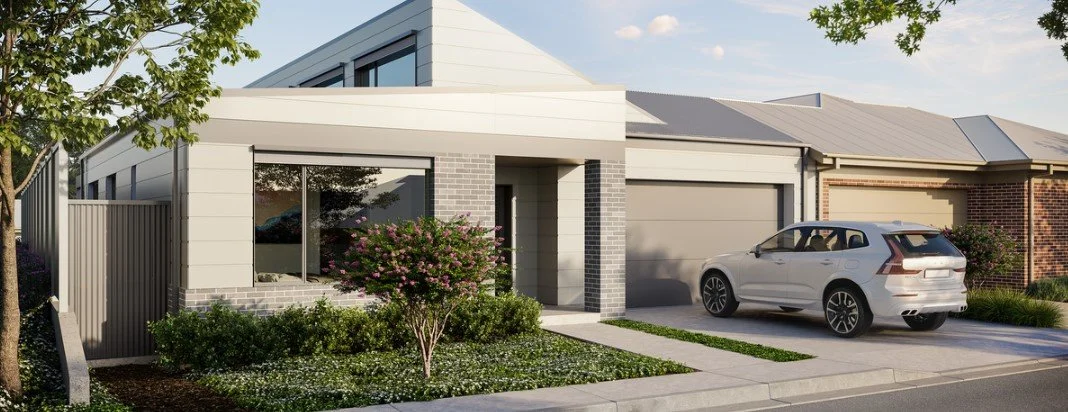
In the ACT, Keyton is using the first Passivhaus retirement villa to measure health outcomes, preparing for wider application.
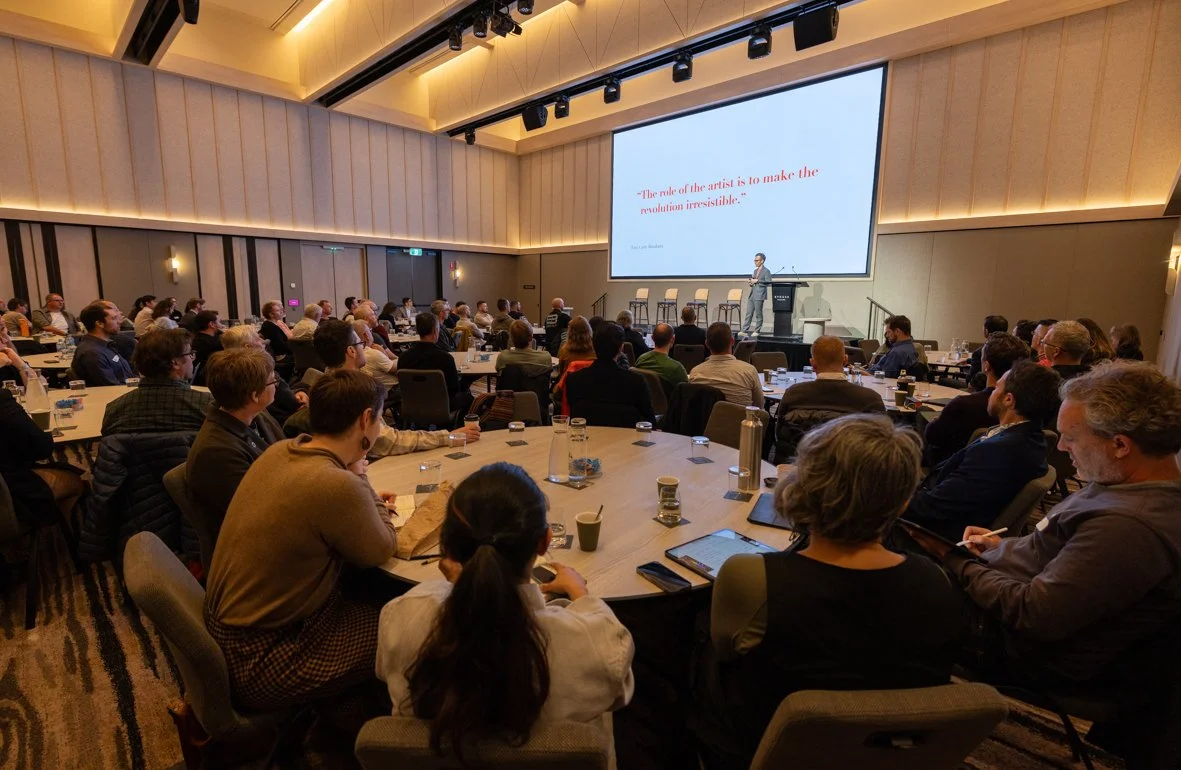
This June, we’re aiming for a great turnout of THRIVE attendees at the 2026 Passivhaus Conference.
Helping us is very easy. We’ve created a list of five simple things you can do to increase the exposure of the THRIVE 2026.
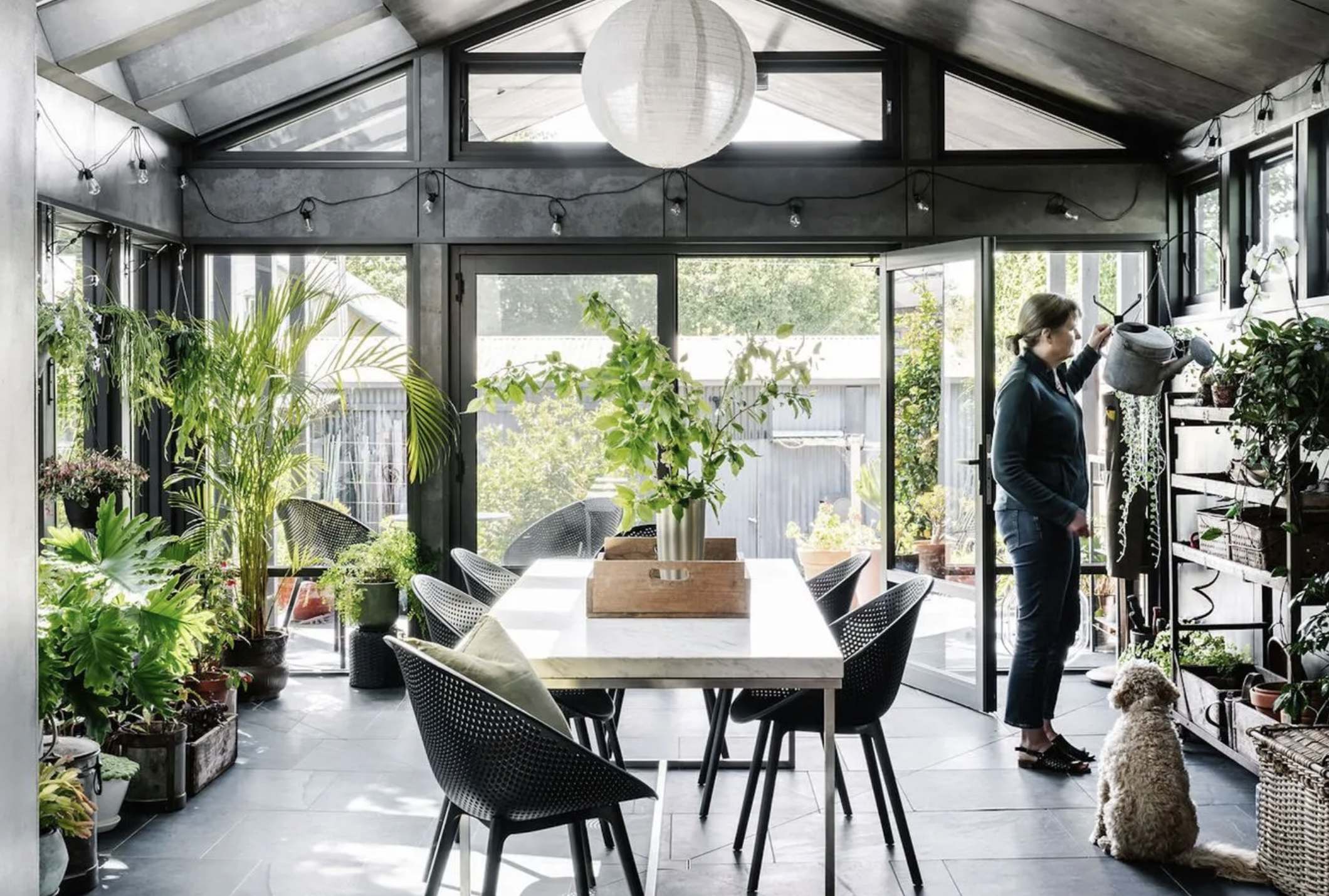

The Australian Passivhaus Association is pleased to share a major milestone for Passivhaus in Australia: the ACT Government has recognised Passivhaus (PassivHaus) certification as a compliant pathway for meeting energy efficiency requirements in new homes.

This year, the Passivhaus community across Australia, including many APA members, will open the doors to their Passivhaus projects, a total of 34 projects and 76 sessions, giving visitors a firsthand experience of what it’s like to live and work in a Passivhaus. Here are 3 simple ways you can help us have our highest attendance yet.

APA Chair Joe Karten reflects on a transformative year for Passivhaus in Australia - from an 86% increase in certified buildings to training 2,700 people across the country. As we grow from a volunteer-driven movement to a national advocacy force, discover what's driving this momentum and what 2026 holds for high-performance building in Australia.


Participants now leave the program ready to make changes to policy with Passivhaus knowledge and APA’s continued support.


International criticism highlights Australian construction's outdated practices, with concerns about air leakage, steel framing issues, and poor thermal performance. The Passivhaus standard offers proven solutions, delivering up to 90% energy savings while addressing condensation, insulation, and indoor air quality challenges that plague conventional Australian builds.

Contrary to common belief, Passivhaus principles thrive in Australia's diverse climates. From tropical north Queensland to cool Tasmania, this performance-based building standard addresses Australia's comfort and energy challenges through superior envelope design, achieving dramatic energy reductions while maintaining stable indoor temperatures year-round across all Australian climate zones.

The Australian government has announced a National Construction Code "freeze" to address housing supply issues. But with planning approvals taking over 7 months and costing $20,000 before construction begins, are building codes really the main barrier?

An industry coalition of 15 leading industry, consumer and community organisations has welcomed the Australian Government’s commitment to implement the 2025 National Construction Code (NCC) and to reaffirm the higher residential standards introduced in 2022.
The group also acknowledged the Government’s announcement that the next round of code changes will move from 2028 to 2029. The additional 12 months must be used productively and should not be extended. Recognising the pressures governments are balancing, the group emphasised that streamlining and removing unnecessary regulation can and should continue during this period. The group also urged government to adequately resource the Australian Building Codes Board to ensure the next update builds broad support and can be implemented quickly and efficiently.


A new tool called the Reduction Factor Shading has been developed by the Passive House Institute to calculate shading reduction factors for shading devices, following the ISO 52022 code. This tool also considers the effect of insect screens. In the Passive House Planning Package, the use of reduction factors is key for more precise calculations.


The best projects happen when everyone understands how it works.
The day before this year's THRIVE conference is our Practical Training Day on June 18th, a hands-on teaching of the key areas of Passivhaus design through handling materials, guided tasks, presentations and Q&As. This is valuable for all professionals interested in and working on Certified Passivhaus projects, and any interested parties involved in the process.